 Skip to content

Mosquitoes in Mérida Mexico: 7 Local Tips to Avoid Bites
Written by yours truly who, unfortunately, is a mosquito magnet for mosquitoes in Mérida
Mosquitoes live almost everywhere on Earth — the only real exception is Antarctica. In humid, sub-tropical places, they thrive. And mosquitoes in Mérida are no exception. If you’re planning a visit, a scouting trip, or a move to the Yucatán, it’s worth understanding how to coexist with these little pests before you arrive. In this guide, I’ll walk you through everything I’ve learned after years of living here, including:
- When mosquito season in Mérida actually peaks
- The best mosquito repellent options (traditional and natural)
- What to wear — day and night
- How to protect your home
- Candles, coils, incense, and electronic devices
- After-care for bites that do slip through
- How to eliminate breeding grounds around your property
Let’s jump in, because the less time you spend swatting, the more time you have to enjoy this gorgeous city.
📌This article was originally published on April 23, 2020 and has been completely updated in 2026.
When is Mosquito Season in Mérida?
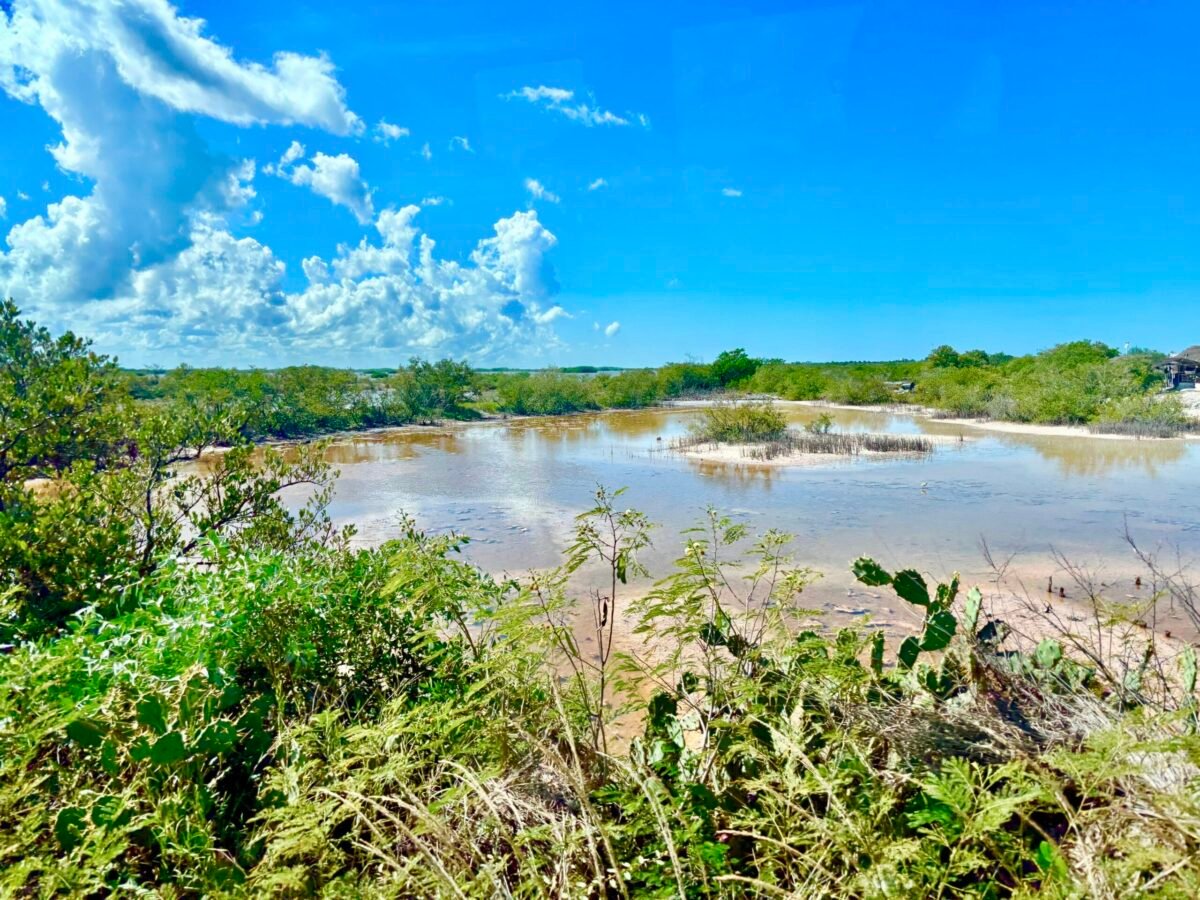
Humidity and rain drive the mosquito population. So it makes sense that mosquitoes in Mérida are most prevalent between April and November.
During the rainy season, things get noticeably worse from June to October. September is the peak — it’s our rainiest month of the year, and the mosquito population reflects that. (For more on our local climate, see my full guide to [the weather in Mérida, Mexico].)
Because the Yucatán Peninsula is sub-tropical, you’ll see mosquitoes swarming, hovering, and hunting for their next meal throughout most of the year. The good news is that late fall and winter bring real relief — the population drops significantly. The catch? They don’t vanish entirely.
One more thing worth knowing: mosquitoes in Mérida are most active after dusk, but female mosquitoes will bite at any hour of the day if they’re hungry enough.
What Attracts Mosquitoes?
Nectar is the primary food source for most mosquitoes. But females need blood — animal or human — to get the nutrients required to produce eggs. That’s why only females bite.
They find us using antennae that detect carbon dioxide from our breath and the compounds in our sweat. And if you’ve ever wondered why some people get devoured while others sit untouched at the same dinner table, there’s a reason. Studies suggest blood type, skin bacteria, genetics, and even diet can all make you more (or less) attractive to mosquitoes.
For the record, I’m apparently delicious.
Mosquito-Borne Diseases in Mérida Mexico
For most visitors and residents, mosquito bites here are an annoyance rather than a health threat. The risk of disease is low — but it’s real, and worth being aware of.
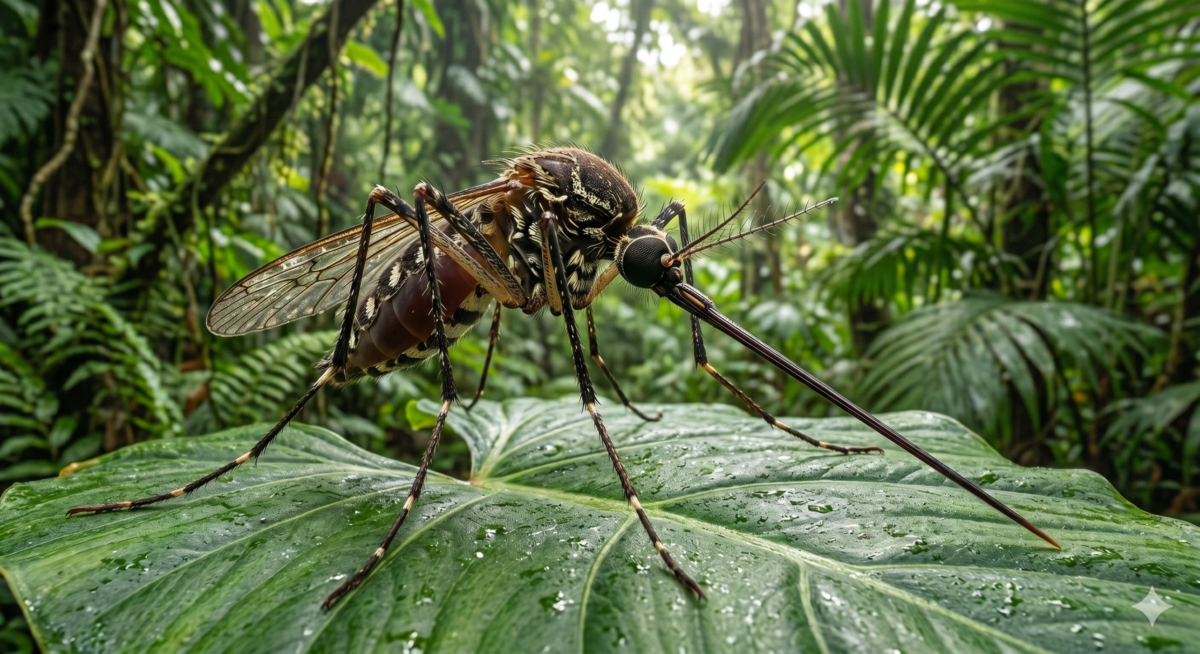
When a mosquito bites, it mixes your blood with saliva, which is how diseases can transfer. The mosquito-borne illnesses present in this region include:
- Malaria (very low risk)
- Yellow Fever
- Chikungunya
- Dengue Fever
- Zika Virus
The U.S. Centers for Disease Control recommends that pregnant women and their partners take extra precautions against Zika when traveling to Mexico. Dengue fever in Yucatán is also worth watching for, especially in jungle and mangrove areas outside the city.
Symptoms of Dengue Fever
- Nausea and vomiting
- Rash
- Aches and pains — muscle, joint, or bone
- Pain behind the eyes
A few of my friends have contracted dengue here. They all described it as “the flu, but significantly worse.” The reassuring part: they recovered fully.
Symptoms of Zika Virus
- Rash and itching
- Fever
- Headache
- Joint pain (often in small joints of the hands and feet)
- Muscle pain
- Conjunctivitis (red eyes)
- Lower back pain
If you’ve been bitten and develop any of these symptoms, don’t wait — head to your nearest clinic or hospital. Care here is excellent and accessible.
7 Ways to Deal with Mosquitoes in Mérida
1. Choose the Right Mosquito Repellent
The most reliable way to avoid bites is repellent on your skin. You have two camps:
- Traditional synthetics using DEET as the active ingredient
- Natural oils like citronella, eucalyptus, and cedar
I’ve tested a lot of both. Most work reasonably well, but since I’m a mosquito magnet, I have to reapply constantly or I end up covered in welts.
After years of trial and error, my personal winner is an odd one: Vicks VapoRub.
Yes, really. I dab a small amount on my ankles, knees, shoulders, and behind my ears. The secret is the cedarleaf oil — a natural insect repellent. I reapply every couple of hours for maximum protection.
For heavier protection (archaeological sites, jungle excursions), I use a 50% DEET spray on both skin and clothing.
2. Dress Strategically to Avoid Mosquito Bites
During the hottest part of the day, mosquitoes aren’t as active. So my rule is: dress for the weather first, then adjust for mosquitoes.
After dusk, consider long sleeves, loose pants, and closed shoes. Mosquitoes tend to target the areas with the least body hair — feet, ankles, ears, neck. They’ll even bite through thin fabric, so loose is better than tight.
If you’re heading to an archaeological site or a nature tour, dress accordingly and spray your clothing in addition to your skin. For jungle or wooded areas, a hat with a mosquito net isn’t overkill — it’s just smart.
3. Protect Your Windows and Doors
One of the best things about living in Mérida is the cross-breeze. But an open door is an open invitation to every mosquito on the block.
If your home has screens, use them religiously. If it doesn’t, install them anywhere you plan to leave a door or window open. It’s one of the single highest-return investments you can make in your comfort here. Local carpenters can build custom screens for Mérida’s older colonial doors at a very reasonable price.
4. Candles, Coils, and Incense
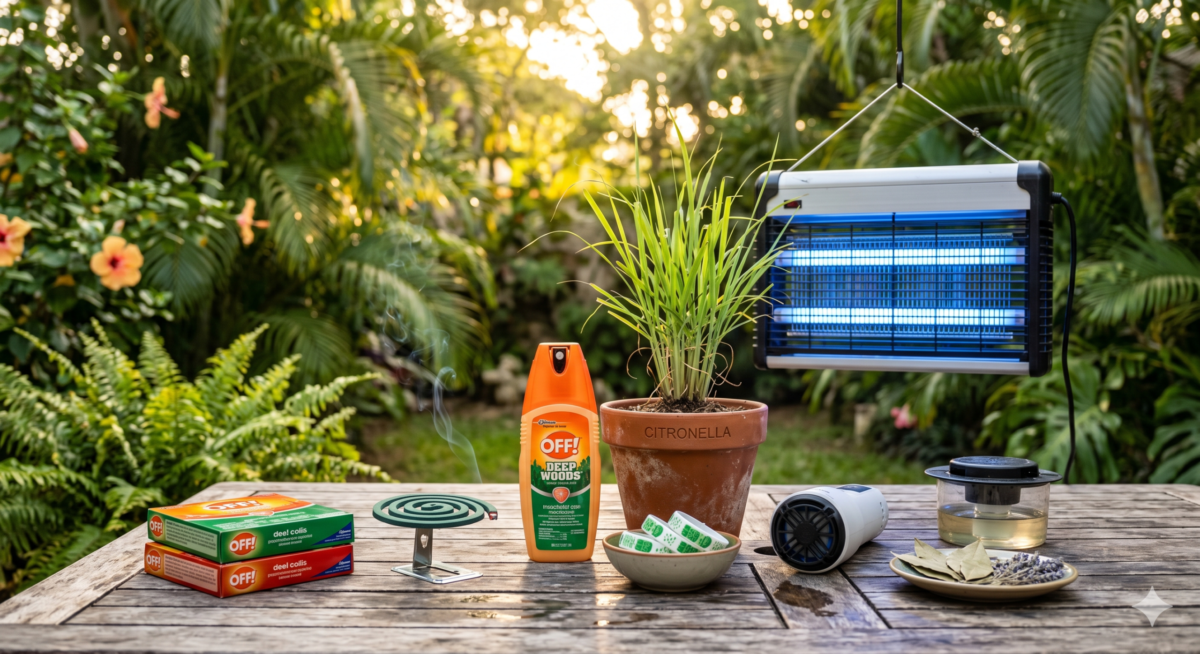
Citronella is the best-known mosquito-repellent ingredient because mosquitoes hate the smell. Sandalwood incense is another favorite that bothers them. You’ll find both easily at local mercados and home goods stores.
A word of caution: read the directions carefully. Some coils are labeled for outdoor use only, so check before burning indoors. During the peak of rainy season, I’ll burn citronella candles, lavender-scented coils, and sandalwood incense inside — but again, I’m a magnet, so I’m extra motivated.
5. Electronic Mosquito Devices
I’ll be honest — I’ve never personally used electronic devices, but plenty of neighbors swear by them. Options include:
- Plug-in diffusers (oil-based or ultrasonic)
- Hanging outdoor units for patios
- Electric fly swatters that look like tennis rackets
That last one is especially popular here, and I’d be lying if I said it didn’t work brilliantly!
6. After-Care Products for Itchy Bites
Most people will get bitten eventually. Reactions range from a small itchy bump to angry blisters — it varies enormously by person.
For mild bites, look for products with bicarbonate of soda as the main ingredient, or ask your pharmacist for a recommendation. Local pharmacies are helpful and most staff speak at least some English.
If you develop large blisters or a severe reaction, see a doctor. It’s possible to be allergic to mosquito bites, and the species here are different from what you may be used to in the U.S. or Canada.
Local tip: I carry a small roll-on of essential oil blend in my bag to calm the itch and swelling. Plain hand sanitizer also takes the sting out in a pinch.
7. Eliminate Breeding Grounds
Mosquitoes need standing water to breed. It’s that simple. To cut down the population around your home:
- Check garden ponds, fountains, and planter saucers weekly
- Turn over buckets, watering cans, and empty containers
- Watch laundry areas and utility sinks indoors
- Clean rooftop drains (a common oversight in Centro homes)
Even a bottle cap of stagnant water can host larvae. I know that fountain in your colonial patio looks gorgeous — but if it’s not running, it’s a nursery.
Should You Use DEET?
DEET was developed in the 1940s by the USDA for the U.S. military and has been commercially available since 1957. It works by interfering with a mosquito’s ability to detect sweat and breath — or, some researchers argue, by simply smelling terrible to them.
When used according to the directions, DEET has a strong safety record and remains one of the most effective repellents on the market. If you have concerns, I’d encourage you to read up and decide for yourself. I use it for high-exposure situations (jungle, cenotes, archaeological ruins) and reach for gentler options day-to-day.
Final Thoughts on Mosquitoes in Mérida
Mosquitoes in Mérida are a fact of life from April through November, with September as the worst stretch. By late October, numbers drop noticeably, though they never fully disappear.
If you’re especially worried about bites or mosquito-borne illness, plan your visit between December and March — it’s also our most pleasant weather, so it’s a win-win.
My quick checklist for anyone visiting or settling in:
- Cover arms and legs with loose clothing after dusk
- Avoid known swarm areas (especially near standing water)
- Reapply repellent frequently
- Keep a 50% DEET product on hand for heavy exposure
- Use screens; keep doors and windows protected
- Always wear shoes outdoors
I’ve become so accustomed to mosquito spray that a travel-sized bottle lives permanently in my purse. It’s a small trade for the daily joy of living in the beautiful city I call home.
For more tips, photos, and honest advice from fellow foreign residents, join our Life in Mérida™ Facebook Group

